How Gutter Cleaning Prevents Severe Roof Leaks in Winter
Winter brings a dramatic shift in weather that tests the structural integrity of residential and commercial properties alike. In Prospect, seasonal transitions often bring prolonged rainstorms, sharp temperature drops, and strong winds that deposit heavy organic debris onto building exteriors. While most property owners focus their winter preparations on heating systems and pipe insulation, the condition of the roof drainage system plays a far more critical role in preventing catastrophic water damage. Consistent, thorough Gutter Cleaning is the primary barrier standing between your home and severe structural water intrusion during the coldest months of the year.
A home's gutter network is designed with a single, vital purpose: channeling thousands of gallons of rainwater safely away from the roof line, exterior walls, and foundation. When fall leaves, pine needles, twigs, and moss are left to settle inside gutters leading into winter, they form a dense, water-retentive barrier. As winter weather sets in across Prospect, this trapped sludge causes water to back up directly beneath the eaves and roof decking, turning what should be a straightforward drainage channel into a reservoir poised to enter living spaces.
The Mechanics of Winter Roof Leaks: The Gutter Connection
Understanding how water penetrates a roof requires a look at how roofing materials interact with gravity. Shingles, tiles, and roof underlayments are engineered to shed water downward. They operate like a cascade of fish scales, relying on a continuous downward slope to keep moisture moving off the building. They are https://codyglcb572.valiantfield.com/posts/commercial-pressure-cleaning-for-busy-prospect-car-parks not engineered to be submerged or withstand pressurized standing water.
When gutters fill with decaying organic matter, water can no longer flow toward the downspouts. Instead, it rises inside the gutter trough. As the water level reaches the top of the gutter bracket, it contacts the fascia board and the edge of the roof decking. In cold weather, this standing water is continually replenished by winter precipitation. Through a process known as capillary action, the water is drawn upward underneath the bottom course of roofing material. Once moisture bypasses the waterproof drip edge, it saturates the structural wood, compromising the roof sheath and finding small gaps around nails, flashing, and vent penetrations. What starts as a slow seep quickly develops into a severe, active leak inside ceilings and interior walls.
The Double Threat: Saturated Debris and Freezing Temperatures
Winter conditions introduce thermal dynamics that make clogged gutters exponentially more hazardous. Damp organic matter acts like a sponge, holding onto gallons of water. When temperatures plunge near or below freezing in Prospect, this water expands as it turns to solid ice. The sheer physical expansion forces gutter brackets away from the fascia board, bends metal channels out of alignment, and tears away roof flashing.
Moreover, ice dams form rapidly when water cannot drain freely. Heated air escaping from an attic naturally warms the upper portions of a roof, melting surface precipitation. As this runoff flows down toward the cold eaves and encounters a gutter clogged with frozen debris, the liquid water instantly refreezes. This creates a solid ridge of ice that blocks further drainage. As more water pools behind the ice dam, it has nowhere to go but up and under the shingles. This liquid pool quickly saturates the attic insulation, rots structural rafters, and causes significant drywall damage inside bedrooms and living areas.
Early Warning Signs of Imminent Roof Leaks
Property owners should never wait until water drips from the ceiling to address gutter issues. Clogged drainage channels display subtle warnings long before an active indoor leak occurs. Monitoring the building perimeter throughout the late autumn and early winter allows you to catch drainage failures before they escalate into structural catastrophes.
- Water Staining Along the Fascia and Soffits: Dark discolorations or peeling paint along the eaves indicate that overflowing water is running behind the gutter trough rather than over the outer lip.
- Exterior Wall Streaking: Dirty lines or algae growth on exterior siding reveal that gutters are frequently topping over during rain events.
- Visible Sagging or Pulling Away: Gutters laden with water-saturated muck weigh hundreds of pounds, causing fasteners to pull loose from the roofline.
- Mildew Odors in the Attic: An early roof leak often dampens attic insulation first, creating a noticeable musty smell before moisture penetrates the drywall below.
- Puddling Directly Below the Roofline: When downspouts are choked with debris, water spills directly over the center of gutter runs, carving trenches into landscape beds and walkways.
A Holistic Approach to Exterior Building Maintenance
Gutters do not exist in isolation. They are an interconnected component of your entire building envelope. When gutter channels become clogged, the consequences ripple across every exterior surface of a property. A comprehensive property maintenance plan addresses the root causes of gutter contamination while safeguarding surrounding surfaces against collateral water damage.
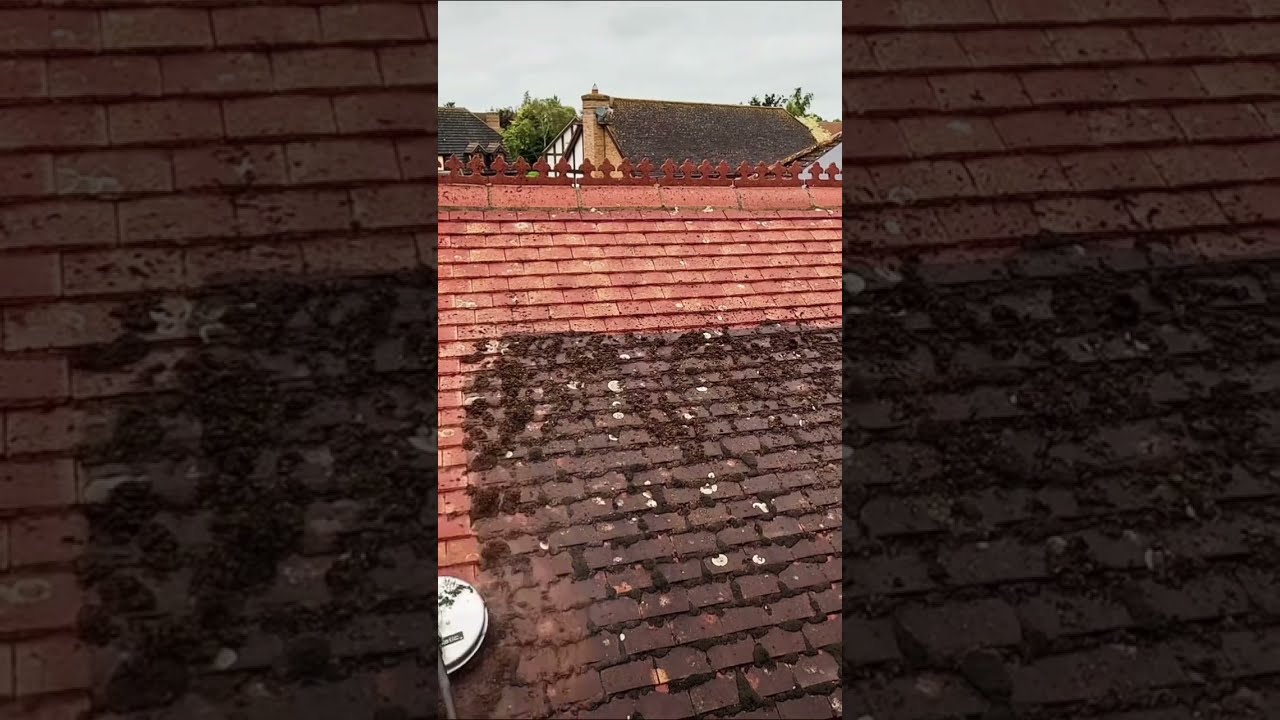
One of the primary contributors to clogged gutters is organic growth on the roof itself. Moss, lichen, and algae trap moisture on shingles and slowly crumble into the gutter system. Scheduling professional Roof Cleaning removes these organisms at the source, preventing them from washing down into drainage channels during winter downpours. By keeping the roof surface clear of moss, water flows smoothly and gutters stay clear of heavy vegetative sludge.
Furthermore, when blocked gutters overflow during the winter, the runoff cascades down siding, decks, and walkways. This dirty, acidic water carries tannins from decaying leaves, leaving unsightly dark streaks on siding that require targeted House Washing to restore. Wooden and composite surfaces underneath failing gutters suffer from rapid degradation, requiring seasonal Deck Cleaning to remove slippery mildew and prevent rot. Similarly, downspouts that discharge uncontrolled overflow onto hardscapes create slick, dangerous conditions, making routine Driveway Cleaning an essential safety measure during the wet winter months.
This comprehensive care extends to renewable energy systems as well. Airborne debris and roof run-off easily coat solar arrays, severely diminishing their power generation during short winter days. Pairing seasonal gutter work with Solar Panel Cleaning ensures that roof drainage is unobstructed while maximum sunlight reaches your solar cells. For businesses in Prospect, maintaining clean drainage channels and safe, slip-free walkways through routine Commercial Pressure Cleaning is equally vital for preserving asset value, adhering to safety codes, and protecting against costly downtime caused by water infiltration.
Essential Winter Preparation Steps for Prospect Properties
Protecting a property from winter moisture damage requires deliberate, structured action. Rushing through maintenance after the first severe storm has already arrived often results in hazardous working conditions and incomplete results. Following a structured seasonal checklist helps maintain water pathways before winter weather peaks.
- Clear Roof Valleys and Intersections: Before clearing the gutters, sweep all accumulated leaf litter and branches out of the roof valleys where slopes meet, as this material will inevitably wash down into the gutters during the next rain.
- Conduct a Full Gutter and Downspout Flush: Remove all heavy debris by hand or vacuum, then flush downspouts with running water to verify that subterranean drains and elbows are completely clear of clogs.
- Inspect Fasteners and Pitch: Check that gutters slope accurately toward downspouts (typically a quarter-inch drop for every ten feet of run) and tighten any mounting spikes or hidden hangers that have loosened.
- Inspect the Drip Edge and Flashing: Verify that the metal drip edge extends neatly into the gutter trough so water cannot roll backward behind the gutter board.
- Redirect Downspout Extensions: Ensure downspout discharge nozzles carry water at least five to six feet away from the foundation to prevent pooling and soil saturation.
Long-Term Structural and Financial Protection
Investing in timely exterior maintenance yields substantial dividends. The financial cost of repairing a rotted roof deck, replacing mold-damaged attic insulation, and remediating ruined drywall dwarfs the modest investment of seasonal drainage care. Water is relentless; once it finds a pathway into a building's framing, structural wood rot can advance silently for months before surface indications emerge.

As we navigate 2026, building material costs and labor rates continue to place a premium on preventive care. Property owners in Prospect who adopt a proactive maintenance routine protect the capital value of their real estate. Looking ahead toward 2027 and beyond, regular seasonal maintenance—encompassing everything from drainage upkeep and roof washing to surface care—remains the most cost-effective strategy for ensuring that a building stays resilient, energy-efficient, and leak-free throughout the harshest winter weather.
Prospect Pressure Cleaning
Unit 2/77 Prospect Rd, Prospect SA 5082
ph. (08) 7282 0629